


Profit drops of up to 20 percent
Hawkers say the Middle East conflict has pushed overheads even higher, with some reporting profit drops of up to 20 per cent.
Industry players are calling for more government support, including rental and utility rebates, as cost pressures mount across the sector.
Rising costs
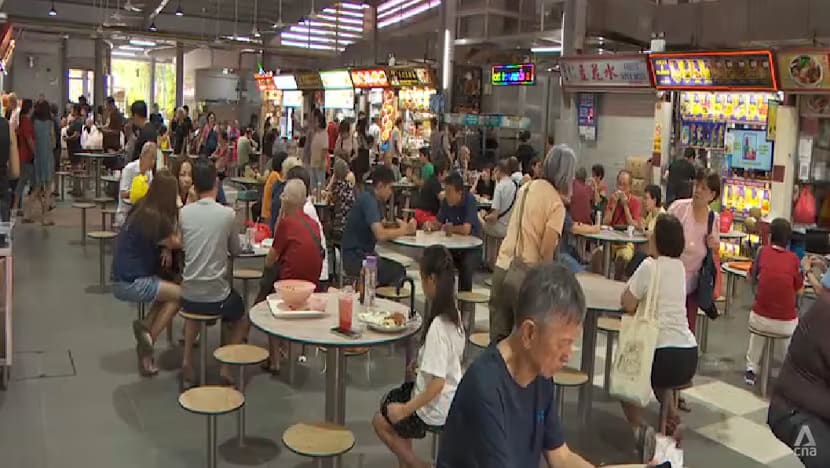
At Chinatown Complex Food Centre, Singapore’s largest hawker centre, more than 220 vendors have been feeling the strain over the past month.
Operating costs have climbed by another 10 per cent, while higher delivery fees – driven by fuel surcharges – are further squeezing margins, said Mr Cornelius Tan, chairman of the Chinatown Complex Hawkers’ Association.
The association said authorities have asked to be alerted if gas prices spike significantly.

But for many hawkers, pressure is already mounting, leaving them with little choice but to pass on part of the higher costs to consumers, with price increases ranging from 50 cents to $1.
“For a typical hawker, they will have various suppliers,” said Mr Tan, adding that these could range from poultry and vegetables to other ingredients.
“On a daily basis, they will have many deliveries, and if delivery surcharges were imposed by every single supplier, then we will see a multiplier effect on the fuel surcharge in terms of delivery fees, and this will also become a burden for hawkers as well,” he noted.
“Hawkers are facing bigger bills every time they receive their raw material as compared to previously, even though they may be ordering the same amount of raw material”
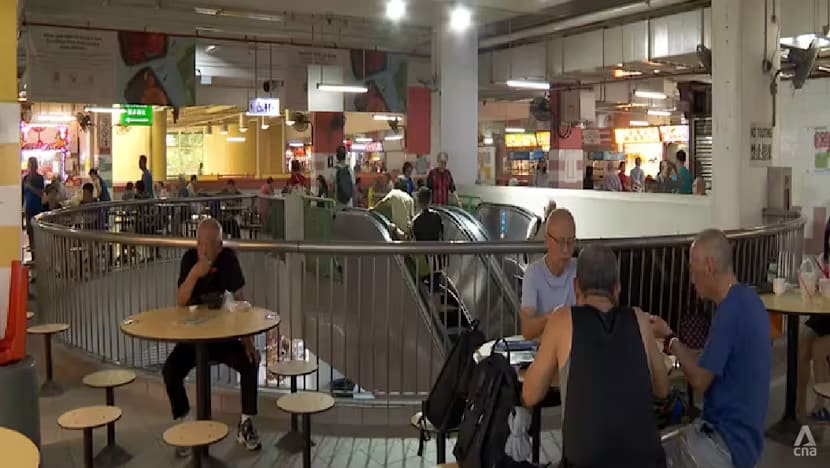
Similar challenges are being felt elsewhere, including at Bedok Food Centre, where hawkers are also contending with lower footfall.
Coupled with rising costs, some stalls at the food centre have seen daily revenue fall by at least 20 per cent.

Hope for government support
While most stalls have held off on raising prices for now, the Bedok Food Centre Association is urging more support to help hawkers tide through the period.
“I hope that maybe the government can consider discounting the rent during this period of time. So maybe we can sustain our business here,” said the association’s chairman Hajjah Roziah Adon.
The Federation of Merchants’ Associations of Singapore said it has been working with hawkers and suppliers to help keep costs down, including stepping up bulk-buying efforts.
It is also encouraging hawkers to diversify their income streams by strengthening their online presence and tapping government funding that supports ground-up initiatives to boost hawker culture.
Drop in crowds
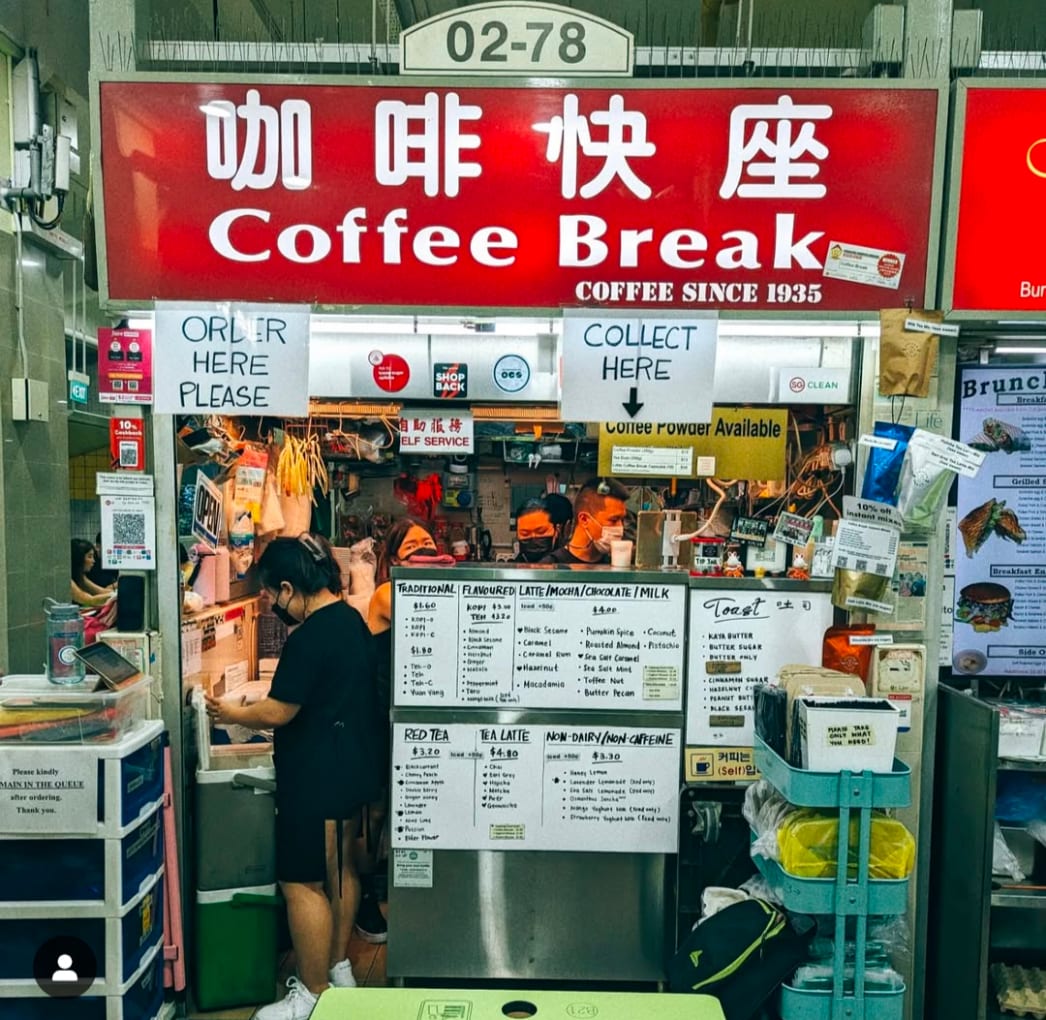
Ms Faye Sai, vice-chair of the federation’s hawkers’ division, said some hawkers have reported a slight drop in crowds, adding that people appear to be spending less.
The third-generation stall owner of Coffee Break said more can be done to draw crowds during off-peak periods, noting that hawker centres like Amoy Street tend to be quiet on weekends compared to weekday lunch crowds.

“Maybe on weekends, we want to think of how to attract more tourists, attract more locals to come back to the space, and then hopefully they will remember Amoy and then come back again on a regular day,” she added.
The association will continue working with authorities, including the National Environment Agency (NEA), which said it is closely monitoring the impact on stallholders at the hawker centres and markets it manages.
Source: CNA/ca(mp)
The original version of this story first appeared in CNA.
For more CNA stories, visit https://www.channelnewsasia.com/.
Top In Asia


%20after%20a%20350km%20journey%20from%20Sepang.%20PHOTO:%20AsiaOne/Danial%20Zahrin?w=150&resize=150,150&ssl=1 "Satay hunt, cycling and go-karting: What F1 drivers are up to before Singapore Grand Prix")
